
How to Open a New MC Authority in 2026 – Complete Step-by-Step Guide
Starting a trucking company in 2026 is still one of the most profitable opportunities in the U.S. logistics industry. However, opening a New MC Authority requires more than just filling out a form. If you want to start legally, strategically, and profitably, you need the right structure, documentation, and partners from day one.
In this guide, you’ll learn exactly what you need and the steps required to activate your authority and get on the road fast.
📌 What Is an MC Authority?
An MC Authority (Motor Carrier Authority) is the operating authorization issued by the
Federal Motor Carrier Safety Administration (FMCSA) that allows you to transport freight for hire across state lines.
Without it, you cannot:
Haul freight legally for compensation
Work with brokers
Get paid as a carrier
✅ STEP 1: Form Your Company
Before applying for your MC Authority, you must legally establish your business.
What you need:
Choose a business structure (LLC or Corporation)
Register with your state’s Secretary of State
Obtain an EIN (Employer Identification Number) from the
Internal Revenue Service (IRS)Open a business bank account
💡 Pro Tip: Most owner-operators choose an LLC because it offers liability protection and tax flexibility.
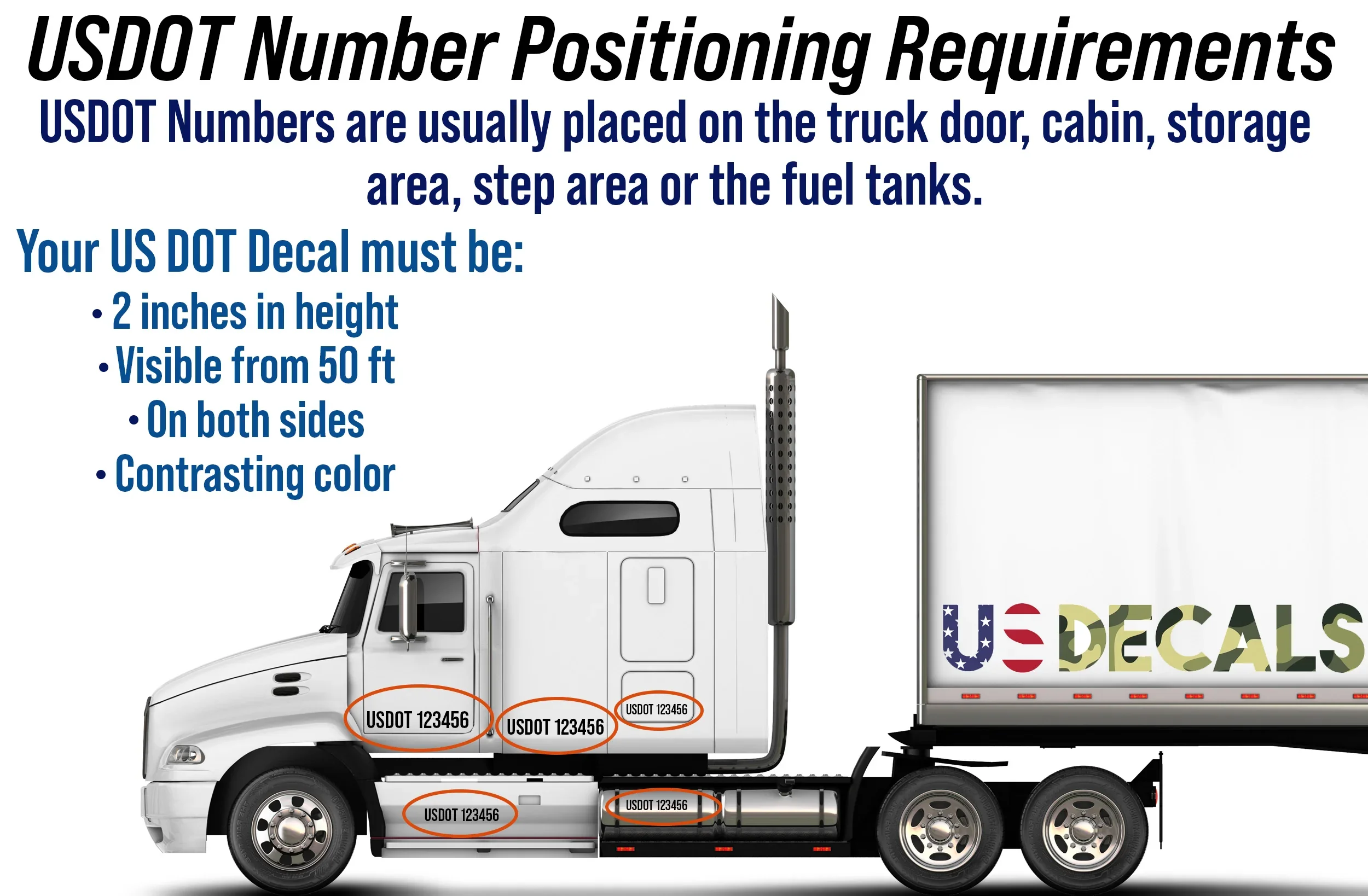
🚛 STEP 2: Apply for USDOT and MC Number
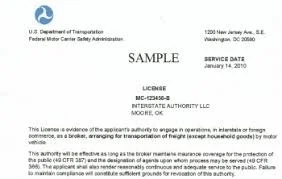
You must apply online through the FMCSA’s Unified Registration System (URS).
You will receive:
USDOT Number (required for safety monitoring)
MC Number (your operating authority)
Application Fee:
$300 (non-refundable)
After submission, there is a 21-day protest period before activation.
🛡 STEP 3: Obtain Commercial Trucking Insurance
Your authority will not activate without proper insurance coverage filed directly with FMCSA.
Required coverage:
$750,000 – $1,000,000 Liability Insurance
$100,000 Cargo Insurance (industry standard)
BOC-3 Filing (process agent designation in all states)
Insurance providers submit proof electronically to FMCSA.
📑 STEP 4: UCR Registration
You must register under the Unified Carrier Registration (UCR) program and pay the annual fee based on fleet size.
🏷 STEP 5: IRP and IFTA (For Interstate Operations)
If operating across multiple states, you must register for:
IRP (International Registration Plan) – apportioned plates
IFTA (International Fuel Tax Agreement) – fuel tax reporting
🧾 STEP 6: Drug & Alcohol Testing Program
FMCSA requires enrollment in a:
Drug & Alcohol Testing Consortium
Random testing pool
This is mandatory even for owner-operators.
🧮 STEP 7: ELD & Safety Compliance Setup
You must have:
FMCSA-approved ELD (Electronic Logging Device)
Driver Qualification File (DQ File)
Vehicle Maintenance File
Hours of Service compliance system
During your first 12 months, you are considered a New Entrant and may be subject to a safety audit.
💰 How Much Does It Cost to Start a New MC Authority in 2026?
Estimated startup costs:
Company formation: $300 – $1,000
MC Authority application: $300
Insurance down payment: $2,000 – $4,000
IRP/IFTA setup: $1,500 – $3,000
UCR registration: $41+
Drug testing & consortium: $150 – $300
ELD subscription: $25 – $40/month
👉 Total Estimated Startup Cost: $5,000 – $10,000+
⚠️ Challenges of a New MC in 2026
The market is competitive and volatile. New authorities face real challenges:
Brokers hesitant to work with MCs under 90 days
Lower freight rates initially
Higher insurance premiums
Factoring approval difficulties
No safety performance history
Success requires strategy not luck.
🚀 How to Become Profitable Faster
1️⃣ Choose the Right Freight Type
Dry Van
Reefer
Flatbed
Power Only
2️⃣ Control Operating Costs
Fuel management strategy
Renegotiate insurance after 6 months
Maintain at least 3 months of working capital
3️⃣ Build Broker Relationships — Not Just Loads
And here’s the truth 👇
🔥 Final Advice: You Will 100% Need a Dispatch Company That Understands the Market
A New MC without experience in:
Rate negotiation
Market analysis
Lane profitability
Broker credit checks
Freight timing strategy
… will lose money quickly.
A professional dispatch company can:
Secure higher-paying loads
Plan profitable routes
Help grow your MC strategically
Guide you through your first 90 days
Build strong broker relationships
Protect you from low-credit brokers
In 2026, freight rates fluctuate daily. The market is data-driven. The carriers who win are those backed by dispatch teams who truly understand lane trends, seasonality, and broker networks.
🔥 Let’s Build Your MC the TruWay
Stop guessing. Start earning.